

Winter Spiti Expedition: Explore the Frozen Himalayan Wonderland
Difficulty: Moderate to Difficult
Best Time to Visit:
- For Snow: December to February
- For Pleasant Weather: March to April
Temperature:
- Day: -5°C to 5°C
- Night: -15°C to -25°C
Highest Altitude: 15,000+ ft
Pickup Point: Delhi / Chandigarh
Discover The Winter Beauty And Cultural Heritage Of Spiti Valley
You can start the Winter Spiti Expedition with the trusted Triptoo Team, a local travel organization dedicated to providing a memorable and comfortable Himalayan experience. Enjoy comfortable stays at selected hotels, homestays, and guesthouses during the journey, offering warm hospitality after long days of exploring the cold desert. Your expedition will cover beautiful places like Kaza, Key Monastery, Kibber, Langza, Hikkim, Komic, Chicham Bridge, and other scenic villages of Spiti Valley, depending on weather and road conditions. Our experienced local drivers, skilled support team, and helpful trip leaders ensure a smooth and enjoyable winter journey. Relish fresh meals and warm stays while exploring the snow-covered landscapes of Spiti. Additionally, we provide convenient transportation throughout the expedition, with planned pickup and drop-off points as mentioned in the itinerary. Choose Triptoo for an unforgettable Winter Spiti Expedition filled with snow, mountains, monasteries, remote villages, and beautiful Himalayan views. Seamless Winter Spiti Expedition Logistics With Comfortable Travel & Stay We ensure a hassle-free Winter Spiti Expedition with reliable transportation, comfortable accommodation, and a well-planned travel route. Our team keeps track of road and weather conditions because winter travel in Spiti can be affected by snowfall, icy roads, and sudden weather changes. The itinerary can be adjusted whenever required to make the journey safer and more comfortable. Safety First: Expert Guidance And Winter Travel Support On Spiti Expedition Your safety is our priority. Our experienced drivers and trip leaders carefully monitor weather, snowfall, road conditions, and travel timings throughout the expedition. Since Spiti is a high-altitude region with extreme winter conditions, our team remains prepared to modify the route or sightseeing plan whenever necessary for the safety of all travellers. Eco-Friendly Travel: Sustainable Adventures In Winter Spiti Triptoo promotes responsible travel by following eco-friendly practices during the Winter Spiti Expedition. We encourage travellers to avoid plastic waste, carry reusable water bottles, use dustbins, respect local villages and monasteries, and follow responsible travel practices. Spiti Valley is a fragile Himalayan region, and protecting its natural beauty is everyone's responsibility. Winter Spiti Expedition For Women – Safety & Support At Every Step We understand the importance of a safe and comfortable travel experience for women travellers. At Triptoo, we provide a supportive environment where women can explore Spiti Valley with confidence. Our experienced trip leaders, drivers, and support team remain available throughout the journey and assist with transportation, accommodation, sightseeing, and other travel-related needs. Empowering Women Travellers On Winter Spiti Expedition We prioritize creating a safe, welcoming, and comfortable environment for women travellers during the Winter Spiti Expedition. Our experienced team provides support throughout the journey, from long mountain drives to exploring snow-covered villages and monasteries. With proper planning and personal attention, we aim to make your Spiti winter trip comfortable, peaceful, and memorable. The powerful Himalayas present a completely different view of Spiti Valley during winter. The valley becomes a beautiful white landscape surrounded by snow-covered mountains, frozen streams, icy roads, and peaceful villages. Kaza remains the main town and an important base for exploring the valley. The ancient Key Monastery looks stunning against the winter landscape, while Kibber, Langza, Hikkim, and Komic offer a chance to experience the traditional lifestyle of the high-altitude villages. Chicham Bridge provides spectacular mountain views, while the clear winter sky offers excellent opportunities for night-sky photography. If you wish to experience the peaceful and raw beauty of the Himalayas, the Winter Spiti Expedition is an unforgettable journey. Witness The Winter Wonderland Of Spiti Valley (December To March) Required Layers Of Warm Clothing: 4-5 warm clothing layers Temperature: Expect extremely cold temperatures during winter, with daytime temperatures often around -5°C to 5°C and night temperatures dropping below -10°C in many areas. Temperatures can vary depending on altitude, location, wind, and snowfall. (Add thermometer and day-night icons) Snow Conditions: Winter transforms Spiti Valley into a beautiful snow-covered landscape. Frozen rivers, snowy villages, white mountain slopes, icy roads, and clear Himalayan views make this season perfect for travellers looking for a true winter adventure and winter photography experience. Prime Season For Winter Spiti Expedition: The ideal period for a Winter Spiti Expedition is generally from December to March, depending on snowfall and road conditions. During this time, the valley becomes peaceful and less crowded. The cold weather, snow-covered landscapes, frozen rivers, and remote villages create a completely different experience compared to the summer season. If you are ready for an adventurous Himalayan road trip, winter is the perfect time to explore Spiti. Adventure Experience: The Winter Spiti Expedition is suitable for travellers who enjoy snow, cold weather, remote mountain villages, and long road journeys. It is more adventurous than a regular sightseeing trip because winter conditions can make roads difficult and travel times longer. High-Altitude Journey: Spiti Valley is a high-altitude region, and several villages are located at elevations above 3,500 meters. Travellers should allow enough time for their bodies to adjust to the altitude and avoid unnecessary physical exertion during the first few days. Scenic Mountain Roads: The journey to Spiti offers beautiful views of mountains, valleys, rivers, monasteries, and traditional villages. During winter, snow and ice add a unique charm to the landscape, but road conditions can also become challenging. Remote Villages: Villages like Kibber, Langza, Hikkim, and Komic provide an opportunity to experience the traditional culture and lifestyle of Spiti. Winter travel can be challenging for local communities, making responsible and respectful tourism especially important. Follow Responsible Travel Practices: Follow responsible travel practices and leave the Spiti Valley as you found it. Avoid throwing plastic or waste, do not damage vegetation, respect monasteries and local traditions, and avoid disturbing wildlife. Weather Conditions: Winter in Spiti can bring heavy snowfall, freezing temperatures, strong winds, icy roads, and sudden weather changes. Some roads may become temporarily inaccessible due to snowfall. The route and itinerary may be changed, delayed, or shortened whenever required for safety. Basic Fitness Required: No advanced fitness level is required for a road-based Winter Spiti Expedition, but travellers should be comfortable with long mountain drives, walking in cold weather, and staying at high altitude. Basic fitness and good health can make the journey more comfortable. Age Limit For Winter Spiti Expedition There is no fixed universal age limit for a Winter Spiti Expedition, but the extreme cold, long road journeys, and high altitude make this trip more demanding than a normal holiday. Families travelling with children or senior citizens should consider their health, comfort, and ability to handle cold and high-altitude conditions before booking. The Winter Spiti Expedition is generally suitable for travellers who are comfortable with cold weather, long mountain drives, remote locations, and changing travel conditions. Travellers with existing health concerns should consult their doctor before travelling to high-altitude areas.What Do We Do For Safety In The Winter Spiti Expedition?
- Begin your Winter Spiti Expedition from Delhi and board the overnight Volvo bus from ISBT Kashmere Gate / Majnu ka Tilla. Meet your fellow travellers and Trip Captain before starting the journey towards Shimla. Enjoy the changing landscapes as you leave the plains behind and enter the Himalayan region. Overnight journey to Shimla.
- Arrive in Shimla in the morning and begin the scenic drive towards Sangla Valley. The route takes you through the beautiful mountains of Himachal Pradesh, with views of forests, rivers and snow-covered peaks during winter.
- Continue towards Sangla and, depending on road and weather conditions, explore Chitkul, one of the last inhabited villages near the Indo-Tibet border. Experience the peaceful village atmosphere and beautiful winter landscapes before heading back to your stay.
- Enjoy a warm evening in the cold mountains and relax at the resort/cottage. Overnight stay in Sangla.
- After breakfast, begin the drive towards Tabo through the dramatic landscapes of Kinnaur. The route passes through deep valleys, rocky mountains, small Himalayan villages and snow-covered stretches, making the journey a memorable part of the Winter Spiti Expedition.
- As you move towards the Spiti region, the landscape gradually changes into a beautiful cold desert. On reaching Tabo, visit the ancient Tabo Monastery and experience the peaceful Buddhist culture of the valley.
- Spend the evening relaxing at the hotel/homestay and prepare for the colder conditions ahead. Overnight stay in Tabo.
- Start the day with a scenic drive deeper into Spiti Valley. Visit the spectacular Dhankar Monastery, perched dramatically above the Spiti River valley and surrounded by rugged mountain landscapes.
- Depending on winter weather and road conditions, explore the surroundings of Dhankar Lake. Snow-covered trails and frozen landscapes can make this part of the journey especially beautiful during winter.
- Continue towards Kaza, the main town and travel hub of Spiti Valley. After arrival, check in to your stay and relax after the long mountain drive. Overnight stay in Kaza.
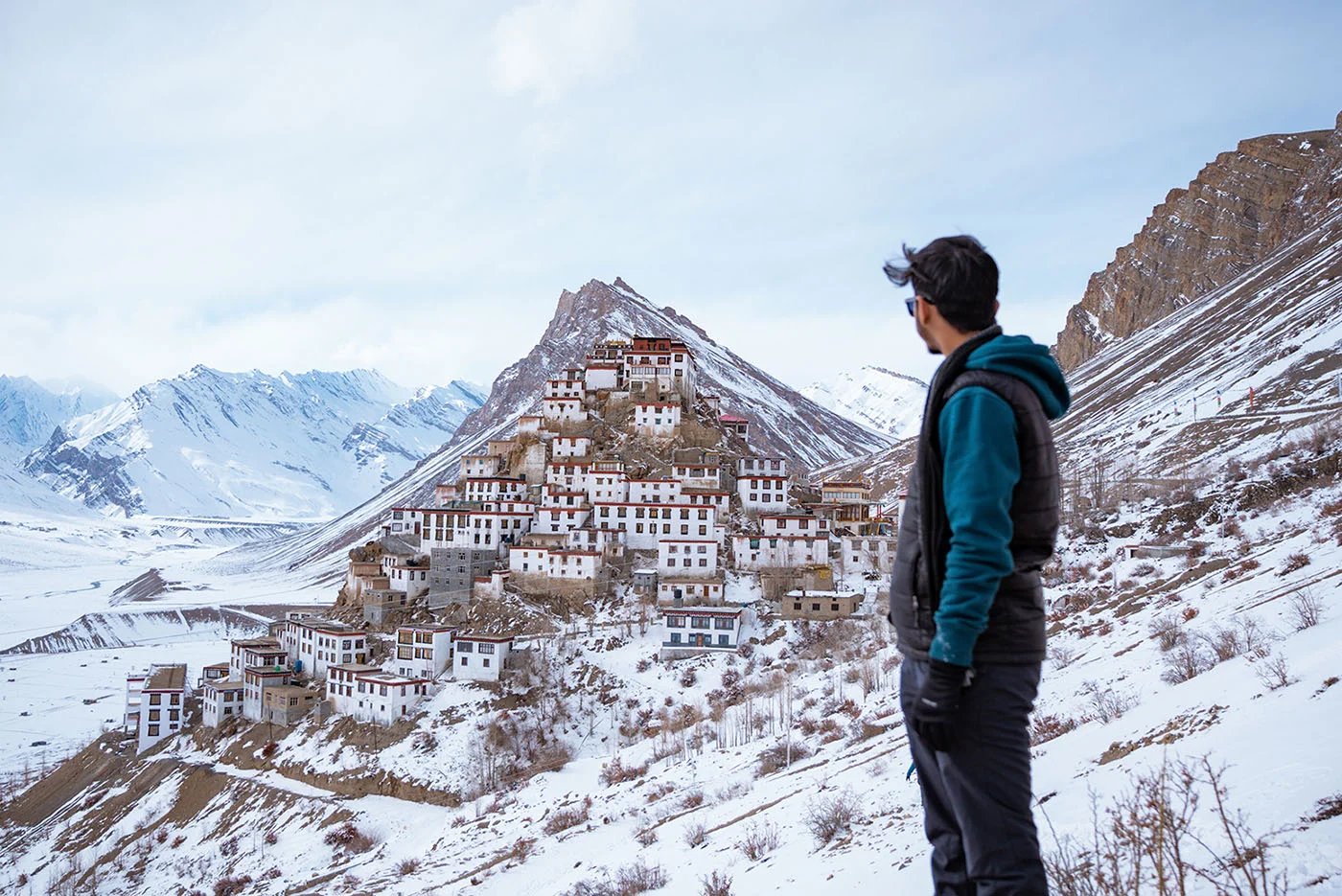
- After breakfast, begin your local exploration around Kaza. Visit the famous Key Monastery, one of the most important Buddhist monasteries in Spiti Valley, located on a hill overlooking the beautiful valley.
- Continue towards Kibber village and experience the unique lifestyle of people living in one of the high-altitude settlements of Spiti. During winter, the surrounding mountains and villages can be covered in snow.
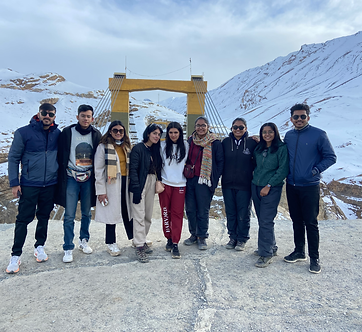
- Later, visit the spectacular Chicham Bridge and enjoy panoramic views of the deep gorge and surrounding Himalayan peaks. Return to Kaza for a warm evening and overnight stay.
- Today, explore the famous high-altitude villages of Langza, Hikkim and Komic. The drive offers stunning views of the barren mountains, snow-covered slopes and traditional Spitian villages.
- Visit Langza, known for its giant Buddha statue and beautiful Himalayan views. Continue to Hikkim and visit the famous post office, where you can send a postcard from one of the world's highest post offices.
- Proceed towards Komic, another beautiful high-altitude village surrounded by dramatic mountains. Winter brings a completely different charm to these remote settlements. Return to Kaza for an overnight stay.
- After breakfast, start your journey towards the beautiful Pin Valley. The valley is known for its unique cold-desert landscape, rugged mountains and remote Himalayan villages.
- Explore the scenic surroundings of Pin Valley, subject to winter road and weather conditions. Continue towards Nako and enjoy the changing landscapes as you leave Spiti and gradually enter the Kinnaur region.
- Drive onwards to Kalpa, a peaceful Himalayan town famous for its views of the Kinner Kailash range. Check in to your stay and relax after the day's journey. Overnight stay in Kalpa.
- Wake up to beautiful views of the snow-covered Kinner Kailash range from Kalpa. After breakfast, begin the long drive towards Shimla through the scenic roads of Kinnaur and Himachal Pradesh.
- Enjoy the mountain views and small villages along the route. On reaching Shimla, board the overnight Volvo bus towards Delhi and begin your return journey.
- Overnight journey to Delhi with beautiful memories of the Winter Spiti Expedition.
- Reach Delhi early morning, generally between 6:00 AM and 10:00 AM, depending on traffic and road conditions. Your Winter Spiti Expedition comes to an end with unforgettable memories of snow-covered valleys, ancient monasteries, high-altitude villages and the breathtaking landscapes of Spiti and Kinnaur.
By Air
Shimla Airport (Jubbarhatti Airport) is the nearest airport to Shimla, located around 20 km from the city. Flights are available from Delhi, subject to seasonal schedules and weather conditions. From Shimla, you can join the Winter Spiti Expedition as per the planned itinerary.
By Train
Shimla does not have direct broad-gauge railway connectivity. You can take a train from Delhi to Kalka and then continue towards Shimla by road or the famous Kalka-Shimla toy train.
- Shatabdi Express - Delhi to Kalka (multiple services available)
- Kalka-Shimla Toy Train - Scenic railway journey from Kalka to Shimla, subject to availability and weather conditions
By Bus
There are regular Volvo and luxury bus services from Delhi to Shimla. Most buses operate from Delhi ISBT Kashmere Gate and other designated boarding points.
We recommend booking a Volvo or government/private luxury bus in advance, especially during the winter season, as seats can fill quickly.
Our Winter Spiti Expedition starts from Delhi, and the group travels towards Shimla before continuing through Sangla, Tabo, Kaza and Kalpa as per the itinerary.
Note:
- Delhi to Delhi transportation is included as per the selected package.
- The expedition starts from Delhi with an overnight journey towards Shimla.
- Food during the Delhi to Shimla journey is not included unless specifically mentioned in the inclusions.
- Winter Spiti routes are highly dependent on weather, snowfall and road conditions, so the itinerary and transport arrangements may be adjusted for safety.
Exclusions
- Lunches and any meals not mentioned in the inclusions
- Monastery, monument and sightseeing entry fees
- Charges for soft drinks, beverages or snacks
- Personal expenses such as tips, laundry, telephone calls and shopping
- Any additional costs arising due to heavy snowfall, landslides, bad weather or roadblocks
- Food during transit unless specifically mentioned in inclusions
- Travel insurance
- Additional vehicle charges due to route changes, road closures or weather conditions
- Any adventure activities or optional experiences not mentioned in inclusions
- Any emergency evacuation or medical expenses
- Anything not specifically mentioned under the inclusions


